Get In Touch
Get in touch with us for any questions or quotes on surveying services and products. We will respond back as soon as we can.
Taking measurements is only part of the vessel time required for subsea metrology. The survey system must first be set up and ready to use, and the equipment must be recovered afterward.
For traditional LBL metrology, that scope includes deploying and calibrating an acoustic transponder array, then recovering it after the work. These activities contribute to the offshore schedule alongside data collection.
Zupt's C-PINS inertial metrology reduces that supporting work by eliminating the need for an acoustic metrology array and simplifying the connection to the ROV.
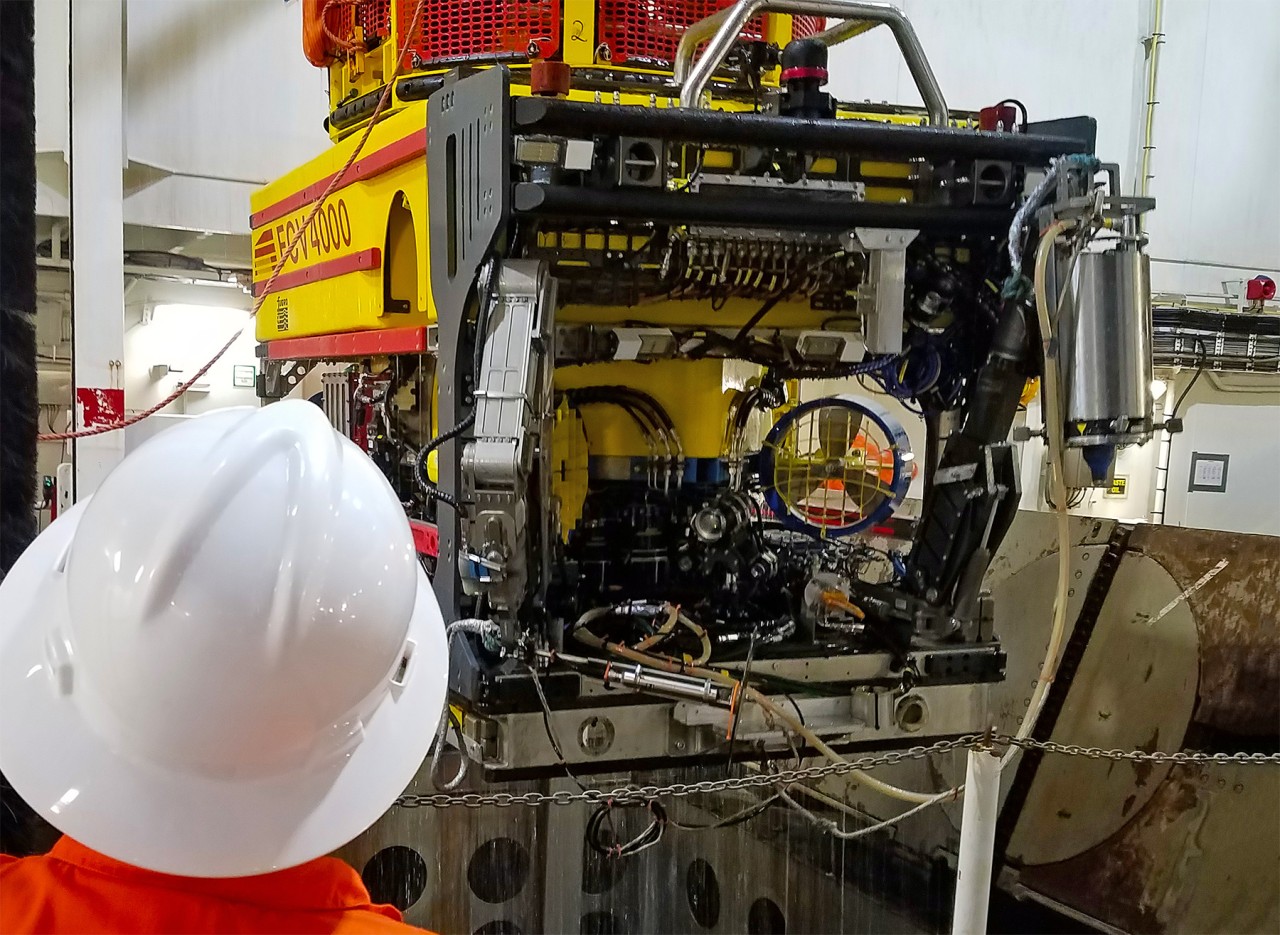
C-PINS is self-contained and requires a single subsea connection to the ROV for power and communication.
This simplifies interfacing and reduces setup time, helping the survey team prepare for metrology with fewer connection and communication tasks.
Zupt reports average vessel time savings of approximately 50% compared with traditional LBL acoustic metrology.
Reducing the supporting offshore tasks contributes to those savings. Individual project timings depend on the subsea layout, operating conditions and metrology requirements.
When comparing metrology methods, consider the full sequence of work, from equipment setup through recovery.
C-PINS reduces the activities required around data collection while providing the measurements needed for subsea jumper and spool fabrication. That is where a simpler metrology scope translates into less vessel time.